
Public Policy
Policy Agenda
Cuba Renace Policy Center develops practical policy solutions for Cuba’s democratic transition and national reconstruction.
Our work focuses on the institutions, economic reforms, and security frameworks required to stabilize and rebuild a post-regime Cuba.
The Vision
We have a clear, realistic plan to build a modern, democratic Cuba where every family has opportunity, dignity, and hope.
This is not a dream — it is a roadmap based on what has already worked in other nations that broke free from authoritarian pasts.
Policy Proposals
Democracy & Freedom
A federal republic where real power is shared across Cuba’s six historic provinces, and no longer is everything decided in Havana.
Key Principles:
• Full freedom of speech, press, and culture.
• Independent courts and rule of law.
• Permanent end to one-party rule.
• Constitutional protections preventing any future dictatorship.
Economic Rebirth
A new economic model focused on growth, stability, and opportunity.
Key Policies:
• Dollarization to stop inflation and restore trust.
• Low, simple taxes that reward work and investment.
• Private farms and open markets.
• A new Havana Stock Exchange.
• Deep economic partnership with the United States.
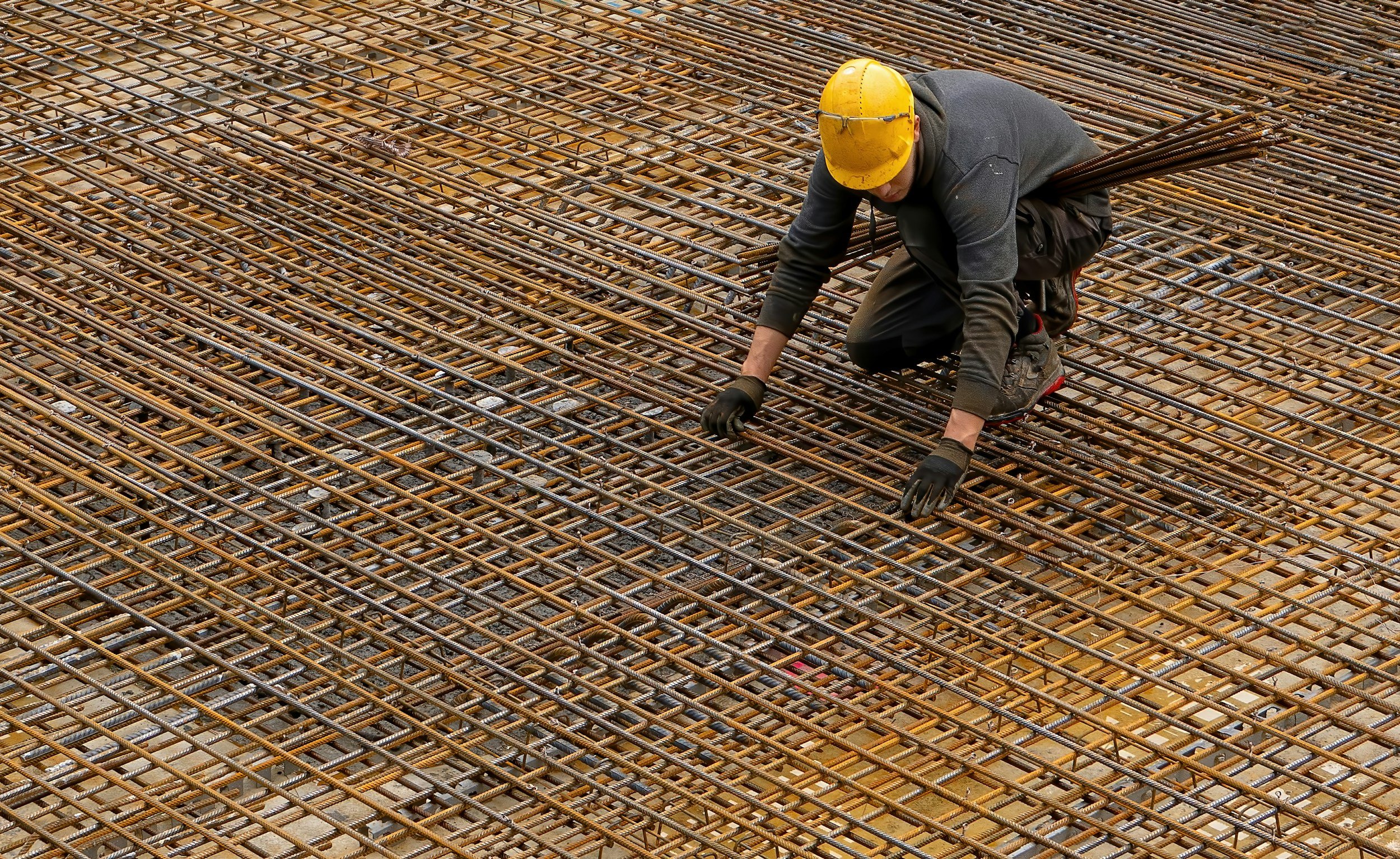
Modern Infrastructure
A national rebuilding program connecting the entire country.
Projects Include:
• Restored highways across the island
• High-speed rail linking all provinces
• Modernized ports and airports
• Nationwide fast internet
• Reliable and resilient energy systems
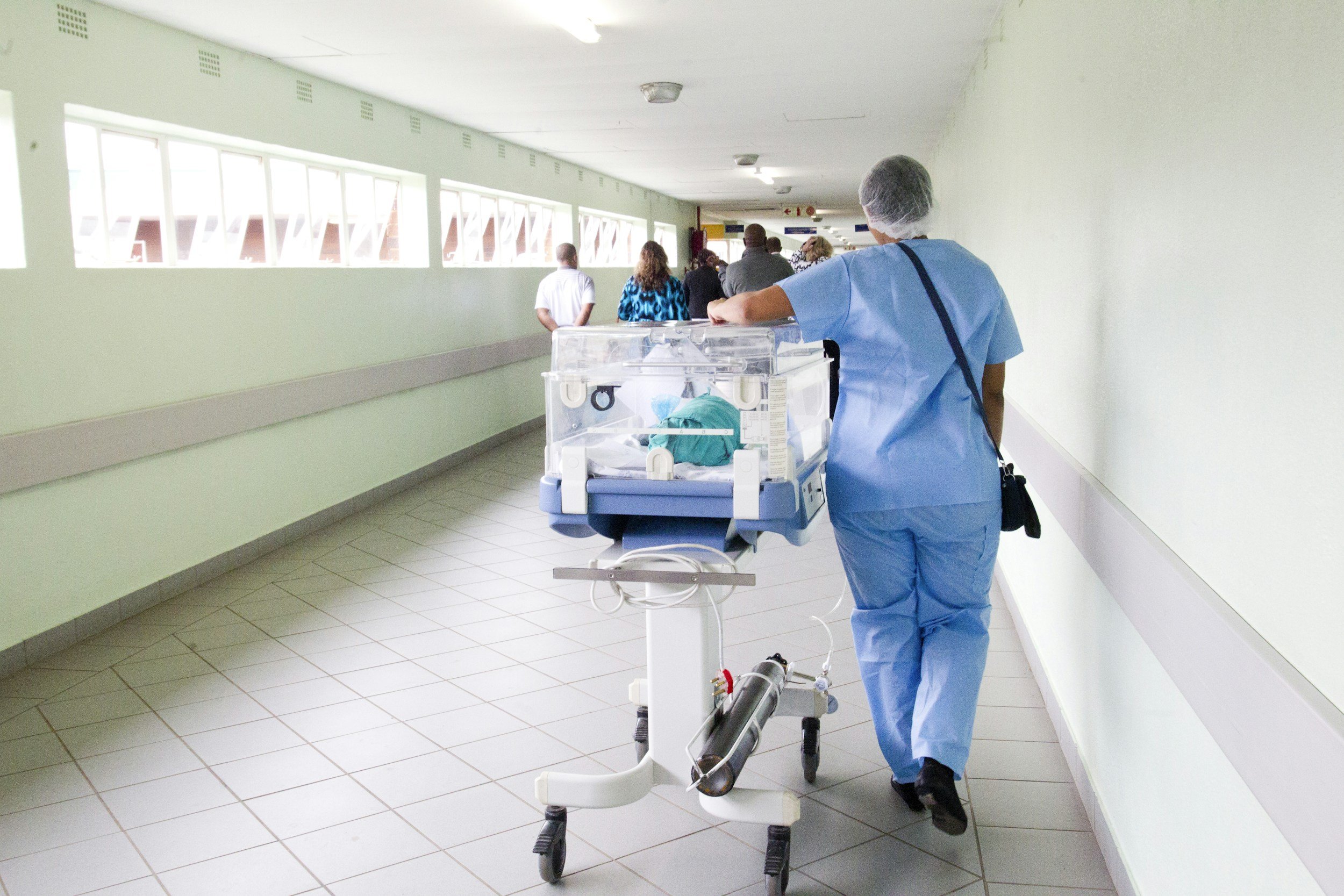
People First
A society focused on quality of life and human dignity.
Key Policies:
• Improve healthcare and education.
• Choice and flexibility for families.
• A national superannuation system so Cubans can build personal retirement wealth.
• Clean water and modern sanitation.
• Safe cities and disaster-ready communities.
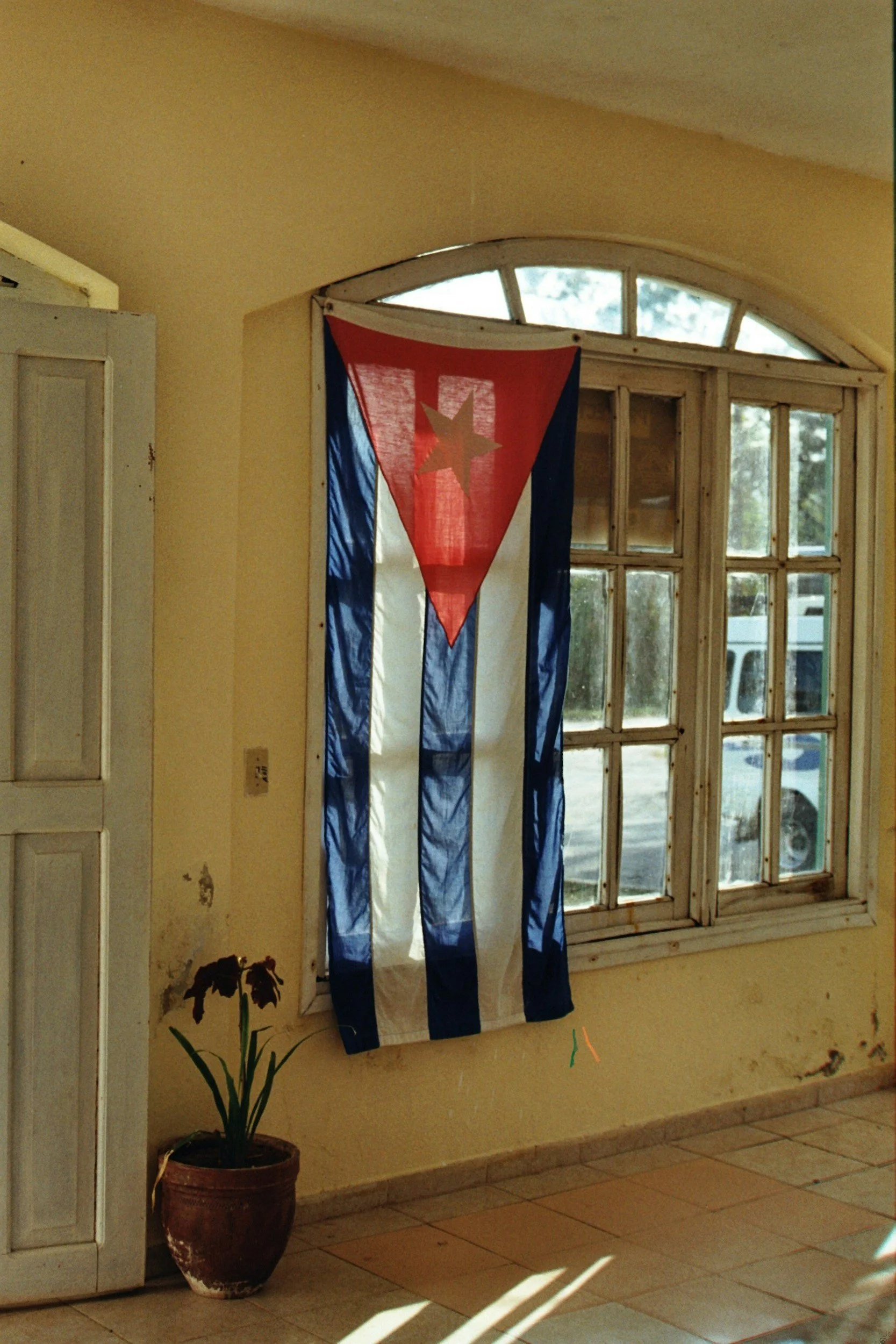
Cuba First
A national strategy focused on stability and responsible governance.
Key Policies:
• Controlled immigration focused on skilled returnees.
• Encouraging the Cuban diaspora to help rebuild the nation.
• A small, professional National Guard for defense and disaster response.
• No bloated military or secret police.
Economic Projection
Our full proposal is a comprehensive report of more than 100 pages examining the institutional, economic, and social foundations of the Cuban nation. The complete report will be made available online free of charge and is intended to serve as a policy roadmap for national reconstruction following the end of the current regime.
While the full roadmap provides detailed policy frameworks, we present here a projected economic recovery scenario developed through several analytical models. These models converge on similar projections for Cuba’s development at 5, 10, 25, and 50 years following a political transition.
*All projections are based on 2026 baseline economic data and should be understood as estimates, subject to adjustment over time due to inflation and evolving economic conditions.*
The graph visualizes this trajectory:
Key Insights:
Year 5 (2031): GDP ~$150B – Stabilization phase; shortages end, tourism/ag rebound.
Year 10 (2036): GDP ~$250B – Integration matures; exports/FDI drive diversification.
Year 25 (2051): GDP ~$600B – Upper-middle income; tech/services dominant.
Year 50 (2076): GDP ~$1.5T – High-income; sustained prosperity rivals regional leaders.
These are nominal figures (not adjusted for inflation); real growth assumes controlled 2-5% inflation post-dollarization. Success probability: 70-80% with full implementation, per historical benchmarks.